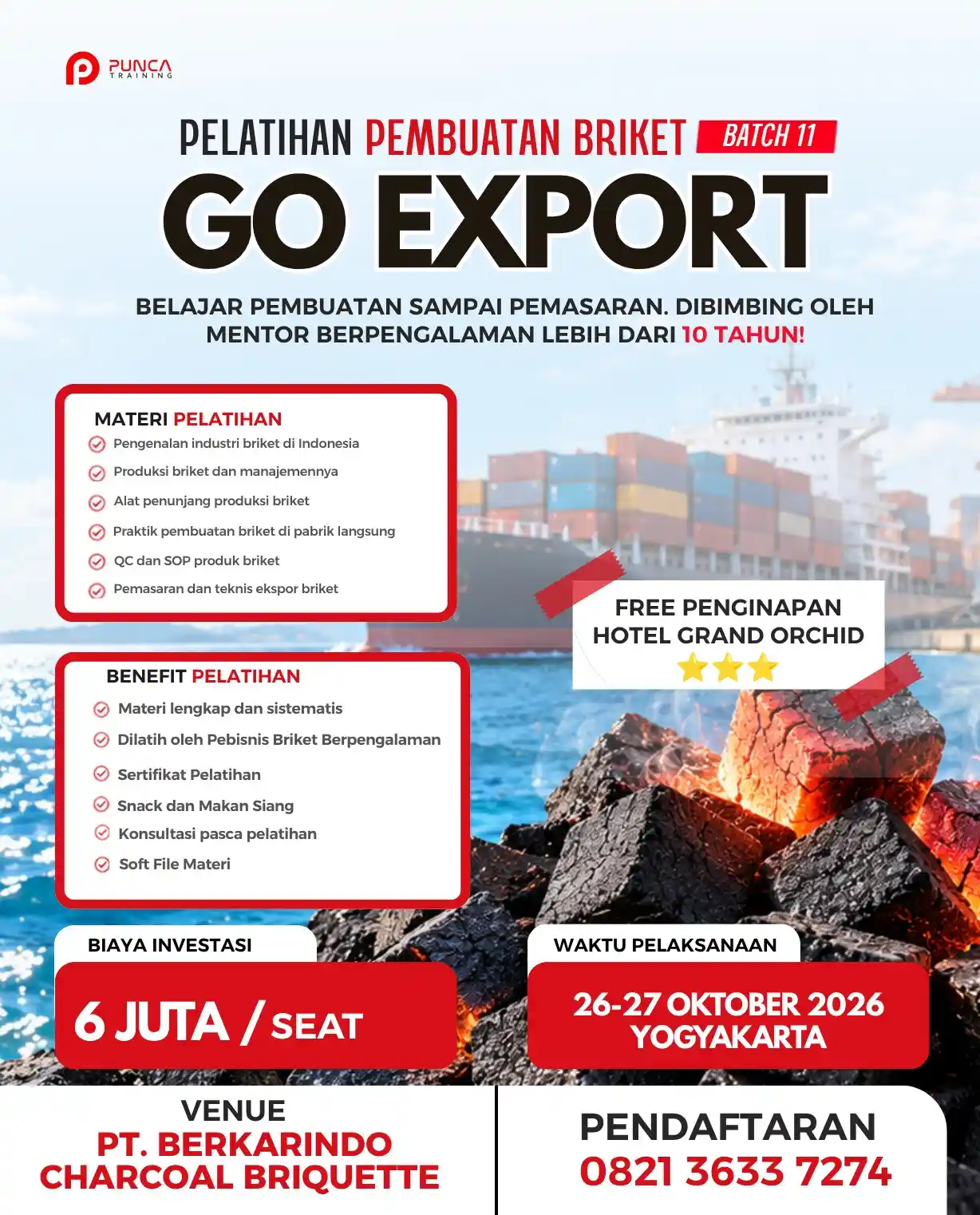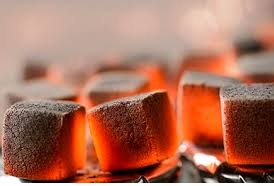
Charcoal briquette production is another type of biomass briquette that are commonly used as a fuel source for cooking and heating. Unlike biomass briquettes, charcoal briquettes are made from charcoal dust or fines that are produced during the processing of charcoal.
The process of producing charcoal briquettes typically involves the following steps:
- Collecting and preparing the raw materials: The first step is to collect and prepare the charcoal dust or fines that will be used to make the briquettes. This may involve sieving the charcoal to remove impurities or other foreign matter.
- Mixing with a binder: The charcoal dust is then mixed with a binder, which can be a natural or synthetic substance that helps to hold the briquette together. Common binders include starch, molasses, and clay.
- Adding additives: Depending on the desired characteristics of the briquette, additives such as sawdust, wood chips, or coal fines may be added to the charcoal dust and binder mixture.
- Briquetting: The mixture is then fed into a briquetting machine, which compresses it under high pressure to form briquettes. The briquetting machine can be manual or automated, and it can produce briquettes of different shapes and sizes.
- Drying: The briquettes are then dried to remove any excess moisture and to make them ready for use. This can be done by exposing them to the sun or by using a dryer or kiln.
- Packaging and storage: The final step is to package the briquettes and store them in a dry place until they are ready to be used.
Charcoal briquettes have a number of advantages over traditional charcoal. They produce less smoke and ash, have a higher calorific value, and are easier to transport and store. They also provide a use for charcoal dust or fines that would otherwise be considered waste.
The use of Charcoal Briquette Production Reduces Environmental Damage
However, charcoal briquette production can also have negative environmental impacts if it is not done sustainably. Unsustainable production can lead to deforestation, soil degradation, and other environmental problems. It is important for charcoal briquette producers to use sustainable practices such as using only waste or sustainably sourced raw materials and implementing proper land management practices to ensure minimal harm is caused to the environment during the production process.
Charcoal briquette production can penetrate the export market if it is done sustainably and meets the quality standards and requirements of the export market. Charcoal briquettes are in high demand in many countries, particularly in Europe and North America, where they are used as a sustainable alternative to traditional charcoal for cooking and heating.
To export charcoal briquettes, producers must ensure that they meet the quality standards and requirements of the target market. This may include obtaining certifications such as the Forest Stewardship Council (FSC) or Programme for the Endorsement of Forest Certification (PEFC) to demonstrate that the charcoal used in production comes from sustainably managed forests. The briquettes must also meet quality standards for combustion, ash content, and other factors.
Conclusion
In addition to quality standards, export producers must also consider logistics and distribution. This may involve partnering with export brokers or distributors who have expertise in navigating the export market and can help with transportation, customs clearance, and other logistical challenges.
With the growing demand for sustainable and renewable energy sources, there is an opportunity for charcoal briquette producers to tap into the export market and provide a viable alternative to traditional charcoal. However, it is important for producers to adopt sustainable practices and ensure that the production process has minimal environmental impact to meet the expectations of environmentally conscious consumers in the export market.
You may like to read the article about the Use of Coconut Coir Geotextile to Control Erosion of Sloping Soil